
Training with Power
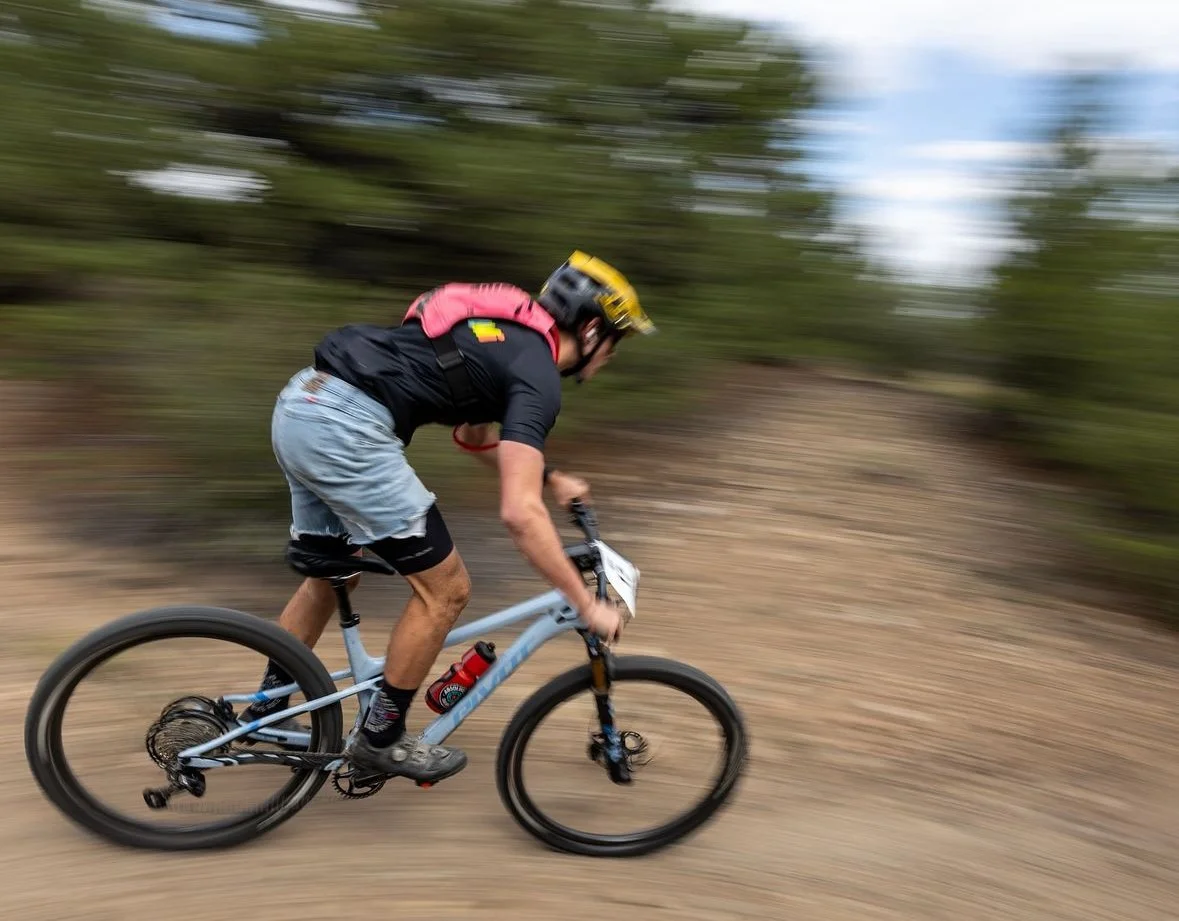
Years ago wattage meters were for pros and/or wealthy geeks only. Greg LeMond was an early pioneer with some un-earthly results. Back in the day perceived rate of exertion (PRE) was the most accurate measure of an intense effort. Heart rate takes too long to reveal itself in any meaningful way, and so unless you were doing a tempo or endurance ride you had to go by feel.
Power, measured in wattage, is the only true input that we have. Speed is the result of aerodynamics, wind speed, wind direction, power input, tire pressure, road surface….you get the gist. Heart rate can be affected by sleep patterns, coffee intake, food intake, stress and countless other factors. PRE is OK, but an 8 on a scale of 1-10 the day after a long road race is a heck of a lot less than an 8 after a day of recovery.
Wattage, no matter what the circumstance, is a number that is affected only by the power put into your pedal stroke. It does not matter whether you are riding into a headwind, down a descent, up and ascent or into a cross wind. If you are pushing 300 watts the stress on your body will be very similar across a variety of circumstances.
Training without a power meter is akin to telling a power lifter to lift based on how their heart rate reacts, or just on how the effort feels. Now that power meters have become accessible to the general racing public we can look at “the weight on the bar”. So instead of asking an athlete to ride for 2 hours at a medium pace we can now outline the power that best suits that rider. Tracking results, gauging improvement and prescribing output is suddenly as easy as conceptualizing a 250 lb bench press vs. a 300 lb bench press for the same amount of repetitions.
Let’s consider aerobic threshold (AT). The end goal is to get as many watts out of a 2 hour interval at your high end of zone 2 heart rate at the end of the base period. For example, if you have a zone 2 heart rate of 125 – 135 then peg your heart rate at 133-135 for an hour and see where your power is. If you begin now at an average of 200 watts, then a good goal is to hit a 250 watt/135 BPM average for a 2 hour interval by the end of your base period.
Further, power and heart rate combined will give a very defined position relative to fitness. Don’t move onto a longer interval until you can make it to the end of that hour without “decoupling”. If power remains the same throughout, but heart rate starts to creep up at the 50 minute mark, then your are decoupling prior to the end of the interval and need to continue with a 1 hour duration until both are flat lined. Once you can get a consistent hour in then move onto 1 hour and 15 minutes….and so on.
Have fun and go fast!